Exhibition Archive
A chronological record of Pauline Fondevila's solo and group exhibitions, spanning galleries, museums, and art fairs across France, Spain, and Argentina between 2007 and 2015.
San Borondon
Je reviendrai peut-être
La promesse de la mer
JORGE Y YO
Canto para los peces
NOMES LIIURES - SOLO LIBROS
LXVI Salón Nacional de Rosario 2012
TOULOUSAINES
LA MAQUINA DE DIBUJAR
PARANA TROPICAL FOLK SYSTEM
LO REAL LO REAL LO REAL
RITUALES FEMENINOS
ARTS LE HAVRE — Biennale d'Art Contemporain du Havre
Basados en hechos reales
FABULA GRAFICA 2
La invasión de la inquietud
Salon du Dessin Contemporain
DESSINS ARCO 2010
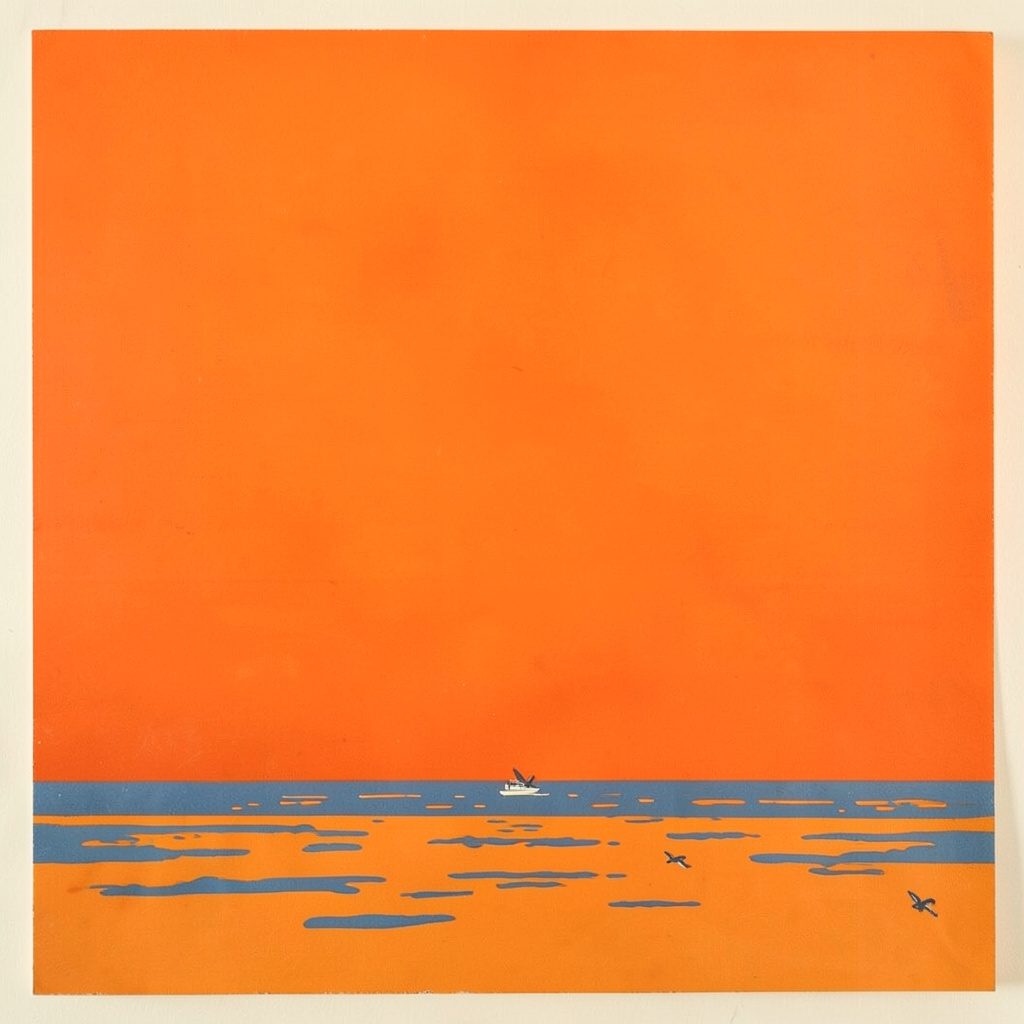
Nadie sabe a donde va la noche
Group exhibition, Ivan Rosado, Rosario, Argentina — November 28–29, 2009.
LES CHANTEURS SOLITAIRES
Galerie Sollertis, Toulouse.
SLICK 09
Comic Strip
Salon du dessin contemporain
Yo no tengo pesadillas ... yo las genero
Uno más uno, multitud
Traducción
FIAC 08
ART-O-RAMA
Cinq aventures de P.
Centre d'Arts Plastiques, Saint-Fons — September 15 to October 20, 2007.
XS (1er volet) / XS (2nd volet)
Docks art fair
Youpi!
Posters
Paperback
bâlelatina
Lejana tierra mía
Le petit Noël du Commissariat
Semana del Arte
El futuro de la actualidad
Collection'05
À la santé des artistes !

Earlier Solo Presentations
| Exhibition | Venue | Dates |
|---|---|---|
| November Song | Laboratorio 987, MUSAC León | Nov 25, 2006 – Jan 7, 2007 |
| Una extraña mañana de febrero en Gijón (Part I) | Galerie Sollertis, Toulouse | Mar 31 – May 6, 2006 |
These solo presentations preceded the exhibitions listed above and trace the earlier development of Pauline Fondevila's exhibition history.
The exhibitions archive represents a carefully documented journey through nearly a decade of creative output. Each entry marks a moment when the artist's work entered a public dialogue, whether within the white walls of a gallery, the grand halls of a museum, or the bustling environment of an art fair. These exhibitions are not merely dates and titles but chapters in an evolving visual narrative. The chronological arrangement allows viewers to trace shifts in thematic preoccupations, material choices, and conceptual ambitions over time. What emerges is a portrait of an artist committed to showing work regularly, building relationships with institutions and curators across different countries, and steadily developing a body of work that speaks across borders.
The geographic spread of the exhibitions reveals an artist whose practice moves fluidly between European and South American contexts. France provides a base of operations, while Spain offers a connection to broader Iberian artistic traditions. Argentina introduces a distinctly Latin American sensibility, with its own rich history of visual culture and political art. This triangular circuit is not accidental but reflects deep personal and cultural ties that inform the work itself. Each location brings different audiences, different critical conversations, and different curatorial frameworks. The artist navigates these varied contexts with apparent ease, allowing each exhibition to respond to its particular setting while maintaining a coherent artistic voice throughout.
Examining the exhibition titles reveals recurring thematic threads that run through the artist's practice. References to nature and the sea appear alongside more conceptual concerns about reality, representation, and ritual. Some titles suggest intimate, personal narratives while others gesture toward broader philosophical questions. This range indicates an artist comfortable moving between the poetic and the analytical, the autobiographical and the universal. The bilingual quality of many titles, shifting between French and Spanish, further underscores the transnational character of the work. Language itself becomes a material to be considered, with each title offering a gateway into the conceptual framework of the exhibition it names.
The span from 2007 to 2015 captures a period of significant artistic development. Early exhibitions establish foundational concerns that later shows refine and complicate. The progression is not necessarily linear but rather cyclical, with certain themes returning in new configurations. Participation in national salons alongside solo exhibitions at commercial galleries demonstrates a strategic balance between institutional recognition and independent presentation. The artist's inclusion in biennials and group thematic shows indicates engagement with broader contemporary art conversations beyond individual practice. Each exhibition type serves a different purpose: some consolidate existing ideas, while others push into new territory.
For those unable to attend the original exhibitions, the archive functions as a form of virtual access. It preserves not only the factual record but also the conceptual energy of each presentation. The chronological listing invites browsing and discovery, allowing connections to emerge between shows that may have been separated by years or by thousands of miles. This documentation matters because exhibitions are inherently ephemeral events that exist fully only in the moment of their unfolding. What remains afterward are traces, memories, and now this digital record. The archive thus becomes both a historical document and an invitation to imagine what these exhibitions might have been like to experience in person.